
Explicit Vocabulary Instruction: The Route to Reading Comprehension
Teaching Videos Inside!

Reading comprehension is not a skill.
Reading comprehension is a result of knowledge.
Knowledge includes background/prior knowledge and, most importantly, vocabulary knowledge.
Teach (preferably pre-teach) the requisite knowledge for every text you teach your students.
Do it day after day, text after text, and watch their knowledge, vocabulary and reading comprehension improve.
This has been my mantra in my own lessons and in all the teacher training I do since I encountered the work of Anita Archer in 2014 (and then eventually Isabel Beck and Doug Lemov).
For a brief six months prior to reading Archer’s work, I taught lessons on finding main ideas, comparing and contrasting, and the like, and was amazed at how my students could get through the entirety of my lessons and tests without even reading the complete texts. (I didn’t figure this out myself. Some of the boys told me. As interesting trivia.)
Plus, their absolute lack of curiosity regarding the text, and the questions they threw at me as soon as I began to distribute photocopies—
What do you want us to do?
What questions should we answer?
Where is the graphic organizer I should fill?
How many comparisons do you want?
How many supporting details do you want?
—infuriated me. I found myself snapping at my students:
I want you to read. Why am I required to specify that?
There are no questions yet, first read and understand the story.
I don’t know how many points of comparison or supporting details I want! What do you mean how many I want? How many has the author written?
Looking back, I now realise that my anger came from an instinctive recognition of an ubiquitous, serious learning problem: the students were focusing more on what the teacher wanted than on the learning itself.
For a few months after abandoning reading strategies, I tried to teach conventionally, the way I was taught when I was in school: by reading the text and explaining it to the students. This led to an obvious discovery: my students didn’t know many words in the text. Then, I pulled one of the worst teaching moves of my career: I asked my students to read through the text once and underline the words they didn’t know.
When they underlined over 60% of the words, I was utterly overwhelmed with the requirement of explaining the meaning of such a large number of words and simultaneously keep students’ attention on the story/essay. I asked them to use the dictionary. No points for guessing; they did not know the words used in the dictionary definitions.
I was also unknowingly putting my students through failure after failure in comprehension even before I read the first line out to them. My expectation that, after all the aimless busywork and non understanding, they should still be eager and excited about my lesson led only to more frustration in me: Why won’t they just listen?
After this ordeal, Anita Archer’s work felt like basic common sense. If I anticipated what might trip them up in a text and taught that knowledge in advance, they would find the text more accessible—even interesting—and be more likely to remember the new knowledge and use it when reading the next text.
Since then, I have spent countless hours writing student-friendly definitions and finding engaging activities for words in the texts I use. I have taught innumerable words to my students before, during and after reading texts, while improving my delivery, pacing, and in-the-moment data collection.
I have also taught many, many teachers to do the same. I have convinced a sizable number of them that although their lesson planning time increases many-fold when they take this path, the payoff is well worth it.
Here’s a message from a teacher that I received just last week:
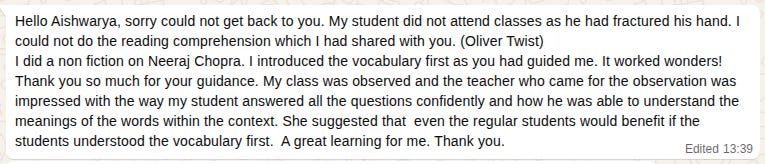
As I continue this important work with teachers, I find myself encountering one roadblock repeatedly: the struggle to make this process fit in the Indian classroom context that uses textbooks.
The teachers I work with read the research1, understand the rationale behind pre-teaching vocabulary, and are eager to try it out with their students. But, the conventional steps in teaching a lesson—
read the text
explain the text
provide answers to questions at the back of the text
test
—seem to come in the way. “Where does pre-teaching vocabulary fit here?” they ask.
In response, I have for many years shared several of my teaching videos with teachers as examples. In the last couple of days, I organized all of the videos and uploaded them to YouTube so that I can share them with you.
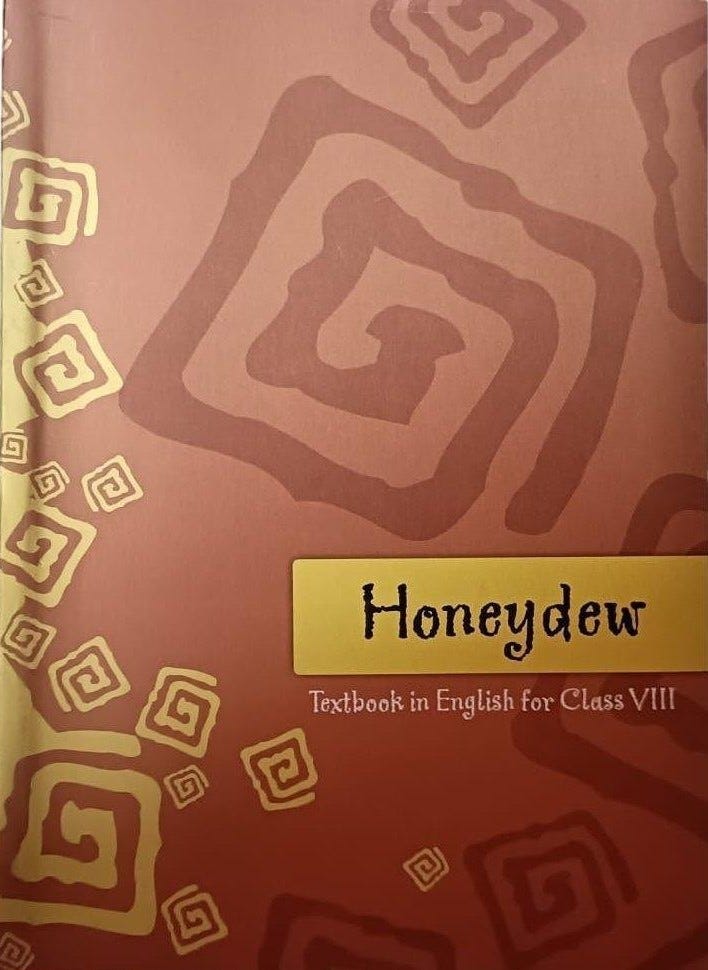
Bepin Choudhury’s Lapse of Memory by Satyajit Ray from NCERT’s Honeydew textbook for Class 8
The Eyes Have It by Ruskin Bond from the 7th grade textbook in the textbook series titled, ‘The English Treasure’
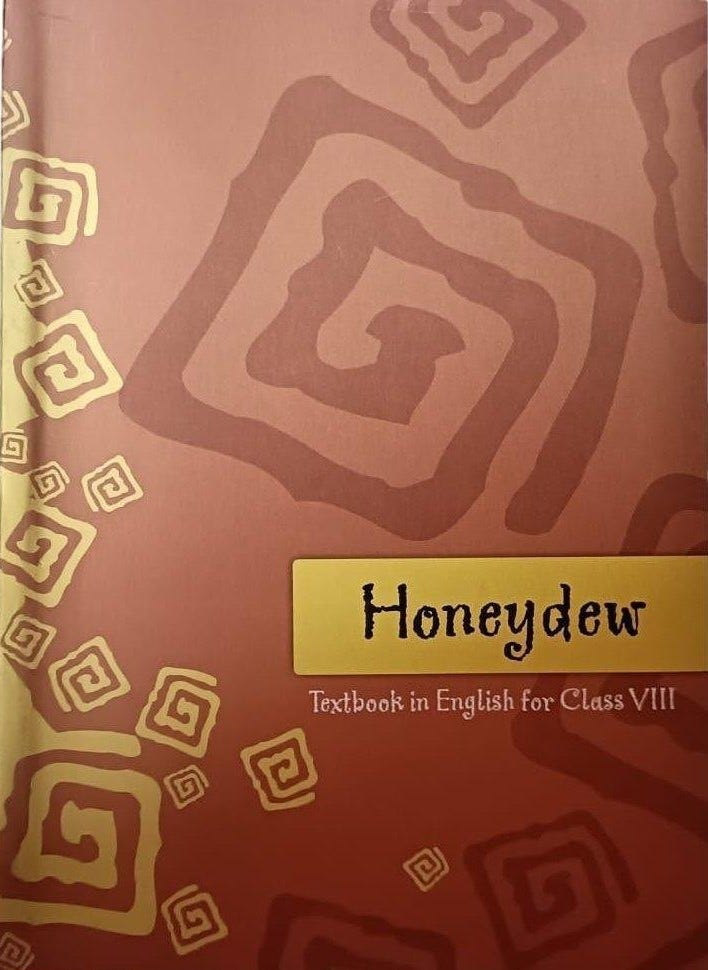
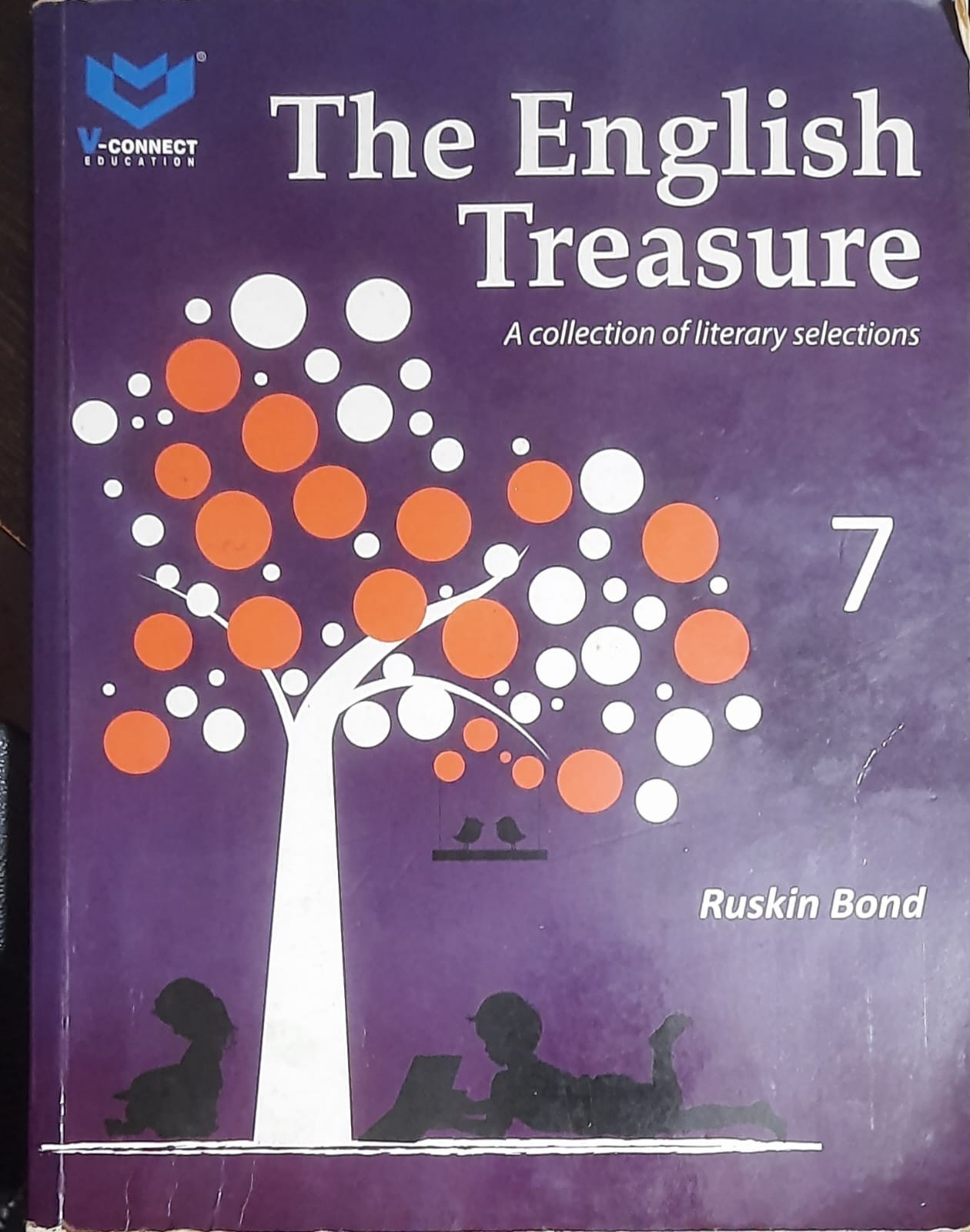
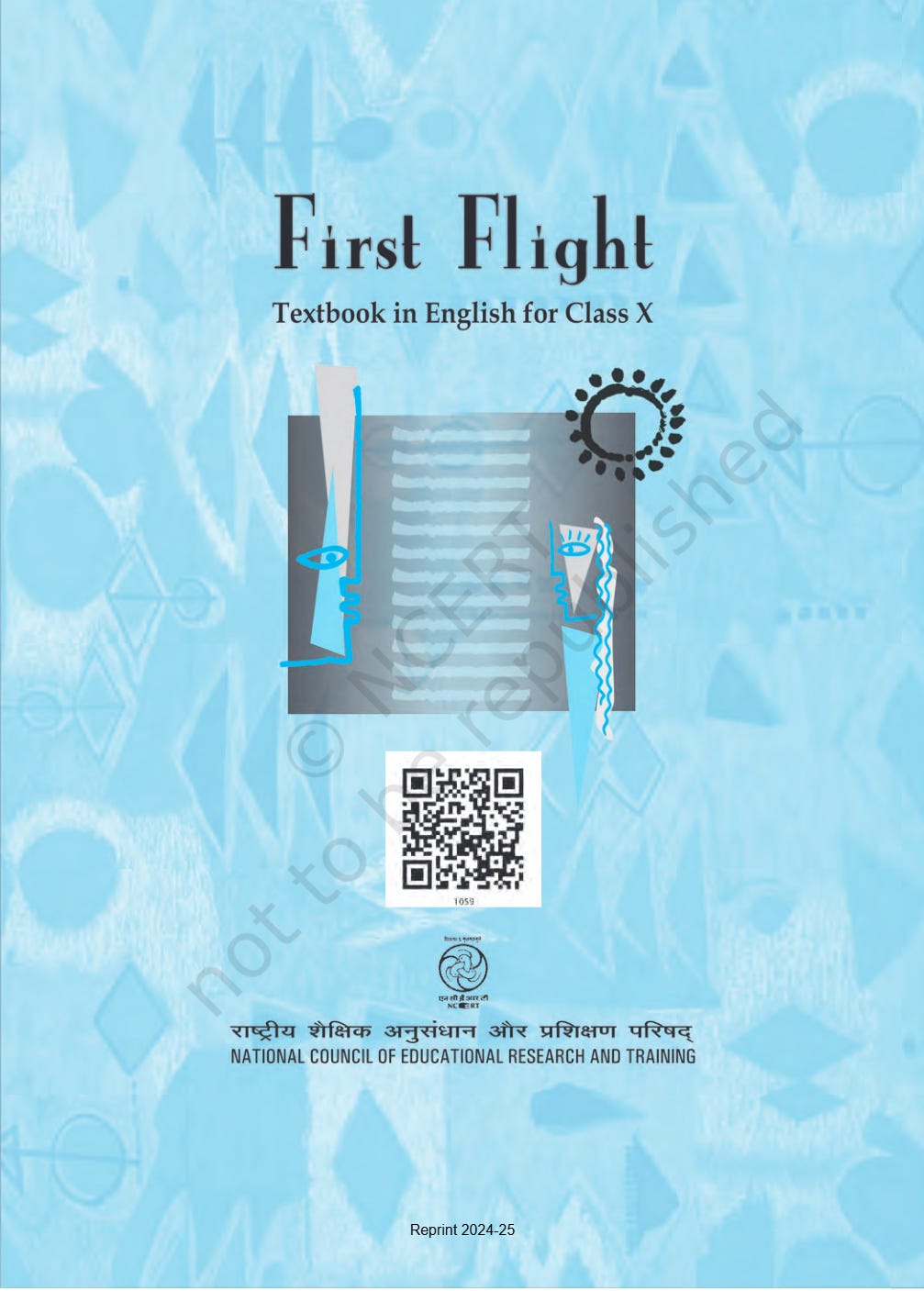
The descriptions under the videos have links to the slides I have used, PDF versions of the stories, notes for the lessons, short quizzes based on the lessons, and more.
I recorded (1) and (2) during the COVID-19 pandemic’s distance learning era for my students at school. I recorded (3) recently for a Grade-10 student because I am unable to find enough time in our classes to teach him literature along with grammar, writing, and unseen reading comprehension while also addressing his learning disabilities.
The lessons demonstrate how prerequisite knowledge and vocabulary can be systematically pre-taught in Indian classrooms while remaining within the constraints of prescribed textbooks.
But, a few important words of caution:
Firstly, video is never my first choice as a teaching tool. Teaching that does not include learning and the teacher’s assessment of the students’ learning is not teaching at all.
All the videos I am sharing now were made because there was no way for me to teach my students live, in-person or online. The engaging activities in explicit vocabulary instruction are at the heart of the work. Unless the student attempts to use the word in multiple ways, unless he/she stumbles, and unless there is immediate feedback and encouragement from the teacher, explicit vocabulary instruction will not work as it can in a live, interactive class. Hence, all the videos I have shared above are results of serious compromise. They got made only when the other choice involved no teaching at all.
So, in your journey of embracing explicit vocabulary instruction, Anita Archer’s book Explicit Instruction is a great resource to learn from and emulate. Isabel Beck’s books are fantastic too. My videos should serve only as an example that uses Indian textbooks.
Secondly, every video I make is for a particular student or a particular group of students I personally teach. I don’t make explanatory videos that serve a larger, general audience. How many words I teach, which words I teach, the literary elements I focus on, and, most importantly, what I leave out from my teaching are all deliberate decisions I make after careful consideration of my students’ strengths and needs.
So, your lessons will and must be different for your students even if you use the same text as in my videos.
In light of all this, I hope the videos are as helpful to you as they have been to the teachers I work with.
Side Note: In the process of finding, organizing and uploading these videos, I found many, many more that could get uploaded too. If you’re interested to see more of my teaching videos, subscribe to my YouTube channel because I don’t plan to share here when I upload more.
Read the recent viral essay by Carl Hendrick for a quick overview of the research.
BONUS FURTHER READING: Chapter 5, ‘Comprehension’, from The Reading Zone by Nancie Atwell (1st edition)
Thank you for being one of my readers; I appreciate you very much! If you’d like to support my work you can do so by:
Liking this post, so that others are encouraged to read it;
Leaving a comment;
Sharing this post by email, WhatsApp, or on social media;
Subscribing to this substack;
Currently, Substack is not supporting payments to many Indian writers including me. Click here to pay me directly via UPI or PayPal to access paid content.
Sponsoring my work with students who cannot afford to pay fees.